

Trust your Taste
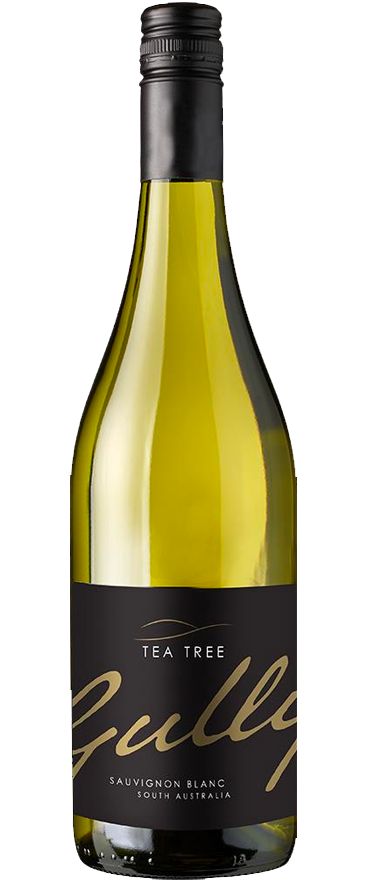
A fresh, fruit-led Australian Sauvignon Blanc for lighter meals.
Will I like it?
This may suit you if you like fresh whites and want to compare Sauvignon Blanc across the Tasman.
This may not suit you if you want a creamy or strongly oaked white.
Tasting Notes
- Region Australia
- Extras New
- Style AromaticFresh Unoaked Whites
- Type White
- Grapes Sauvignon Blanc
- Body Light-medium
- Closure Screw Top

Tasting Notes
- Region Australia
- Extras New
- Style AromaticFresh Unoaked Whites
- Type White
- Grapes Sauvignon Blanc
- Body Light-medium
- Closure Screw Top
How this wine feels
Grapefruit leads the sip, passionfruit fills it out and a lively citrus edge keeps the finish fresh.
The sliders show how strongly each characteristic comes through. Higher does not mean better.
How much weight and presence the wine has in your mouth.
How much drying grip you feel on your gums and tongue.
How lively and mouthwatering the wine feels.
How strongly savoury, herbal, earthy or gently bitter notes come through.
How smooth and rounded the wine feels across your palate.
How ripe or sweet the fruit tastes. This scale describes fruit character rather than sugar content.
Taste scales and matching suggestions are estimates. Your own taste comes first. Sweet-Fruit Expression describes fruit character, not residual sugar.
Behind the bottle
The story behind the wine
Tea Tree Gully offers an Australian point of comparison for anyone who usually buys New Zealand Sauvignon Blanc. Try both with the same food and compare the intensity of the aroma and the bite of the finish.
Meet the producer
Sherwood Estate lists Tea Tree Gully in its international range. The name comes from the Adelaide foothills, where Tea Tree Gully sits near the Mount Lofty Ranges.
At the table
Cucumber and mint salad with grilled chicken
The mint and cucumber keep the meal fresh and leave room for the wine’s fruit.
For the Geeks
Try this wine in a mixed case
-
Trinity Hill Hawkes Bay Sauvignon Blanc 2024From $28.99View wine

-
Montana Affinity Lighter Sauvignon Blanc 2024$12.08View wine

-
Jules Taylor Marlb Sauvignon Blanc 2024From $22.99View wine

-
Lord Rutherford Sauvignon Blanc 2023From $13.99View wine

-
Lindauer Sparkling Sauvignon Blanc 200ml$4.99View wine

-
Yeah Cool Natural Sauvignon Blanc by Josh Scott 2023From $26.99View wine

-
Jackson Estate Stich Sauvignon Blanc 2024From $30.99View wine

-
Stratum Sauvignon Blanc 2025From $14.99View wine


