

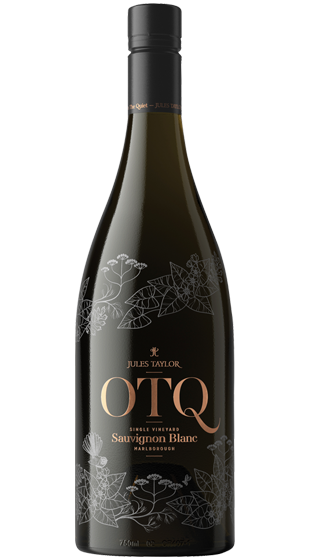
Jules Taylor OTQ Sauvignon Blanc 2022
Trust your Taste
Citrus, pineapple and nectarine meet toasted almond, toffee and a creamy note in this textured Marlborough Sauvignon Blanc. Barrel fermentation gives it a mouth-filling feel while keeping its varietal freshness. Try it with scallops, prawns or halloumi when you want a white with extra layers.
?
Mouth-filling fruit, creamy texture and savoury barrel detail suit Broad palates that welcome several layers of flavour. PalateKey groups wines by how they feel, helping you find styles you enjoy. Your own taste comes first.
This suits you if you enjoy textured whites with citrus fruit, creamy edges and subtle barrel character.
It may not suit you if you want a lean, intensely grassy Sauvignon with no oak influence.
Tasting Notes
- Region New Zealand
- Extras New
- Style AromaticSauvignonblancAromatic WhitesEarthy Whites
- Type White
- Grapes Sauvignon Blanc
- Body Light-medium

Tasting Notes
- Region New Zealand
- Extras New
- Style AromaticSauvignonblancAromatic WhitesEarthy Whites
- Type White
- Grapes Sauvignon Blanc
- Body Light-medium
How this wine feels
This is broader and creamier than a sharp, straightforward Sauvignon. The fruit fills the middle of your mouth, with gentle toasted notes and softened acidity. It still has freshness, but the lasting impression is rounded, layered and quietly savoury.
The sliders show how strongly each characteristic comes through. Higher does not mean better.
How much presence and firmness the wine has in your mouth.
The drying, gripping feeling on your gums.
The fresh, mouth-watering edge of the wine.
Bitter, herbal or savoury character beyond the fruit.
How smooth and rounded the wine feels.
Ripe fruit character. This is not a sugar-sweetness rating.
Ripe fruit flavours can be present in dry wines. Sweet-Fruit Expression describes fruit character, not residual sugar.
Behind the bottle
Jules Taylor’s single-vineyard OTQ Sauvignon Blanc comes from Altimarloch in Marlborough’s Upper Awatere Valley.
Hand-picked and whole-cluster pressed into old barriques for wild fermentation, followed by partial malolactic fermentation and occasional lees stirring.
You May Also Like